
Reputation Management
Turn Customer Feedback
Into Trust People See
Automatically request, monitor, and respond to reviews across platforms while connecting feedback to your CRM, workflows, and communication tools.
When Happy Customers Don't Leave Reviews
Most businesses don’t struggle with delivering good service. They struggle with capturing the feedback afterward. A project finishes.
The customer is happy.
You tell yourself you’ll ask for a review later.
Later turns into next week.
Next week turns into never.
Months later you realize something strange: The customers who were happiest never left reviews.
Not because they wouldn’t have. Because no one asked at the right time.

Where This Shows Up in Your Business
Customer feedback appears in more places than most teams realize.
You might rely on reviews to:
build trust before sales conversations
strengthen your Google Business presence
help new customers evaluate your service
reinforce referrals and word of mouth
understand how customers actually experience your work
But when reviews depend on manual follow-up, they happen inconsistently. Some customers leave reviews.
Most never get the chance.
Why Review Requests Usually Don’t Happen
Most businesses handle review requests informally.
A team member sends a text
Someone copies a review link into an email
Occasionally a reminder gets sent
At low volume, this works. But as the business grows, three problems appear.
First, timing breaks: The best moment to request feedback is immediately after a positive experience. When requests happen days later, response rates drop.
Second, visibility disappears: You can’t clearly see:
Which customers were asked
Which messages were delivered
Who left reviews
Where feedback is trending
Third, accountability fades.
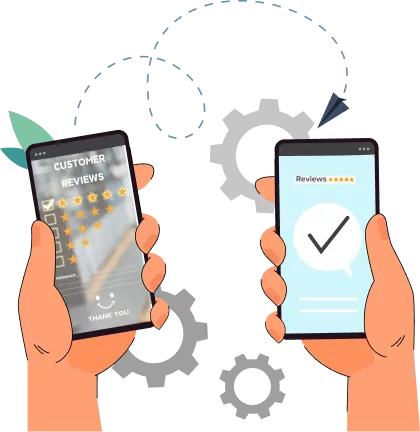
You assume reviews are happening. But there’s no system ensuring they are.
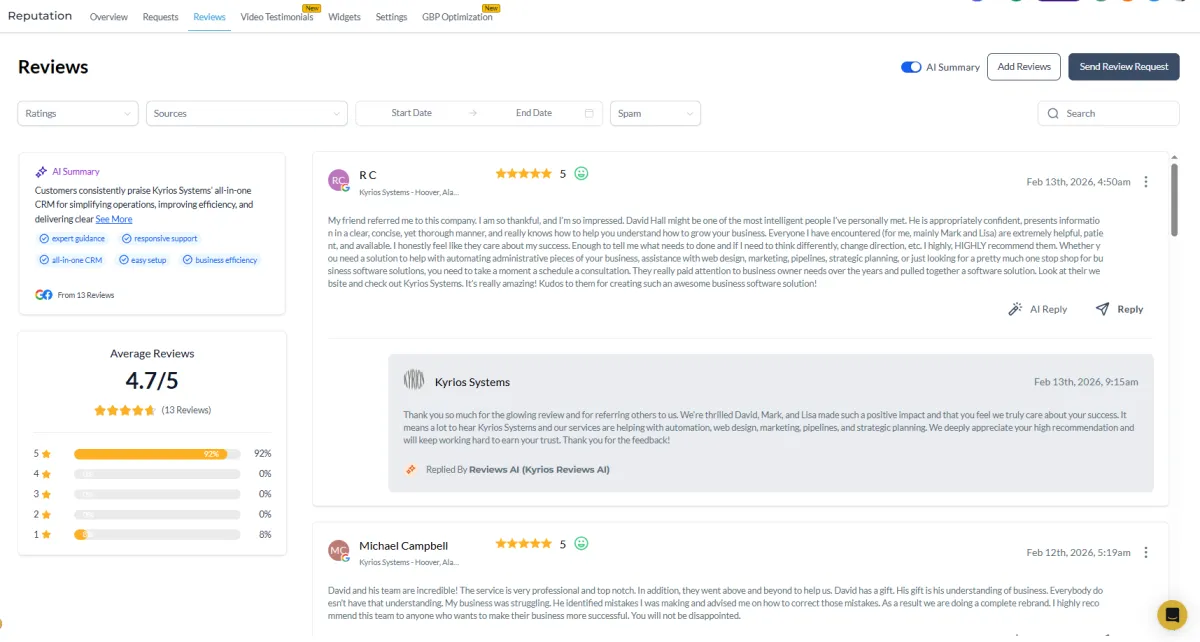
What Reputation Management Is
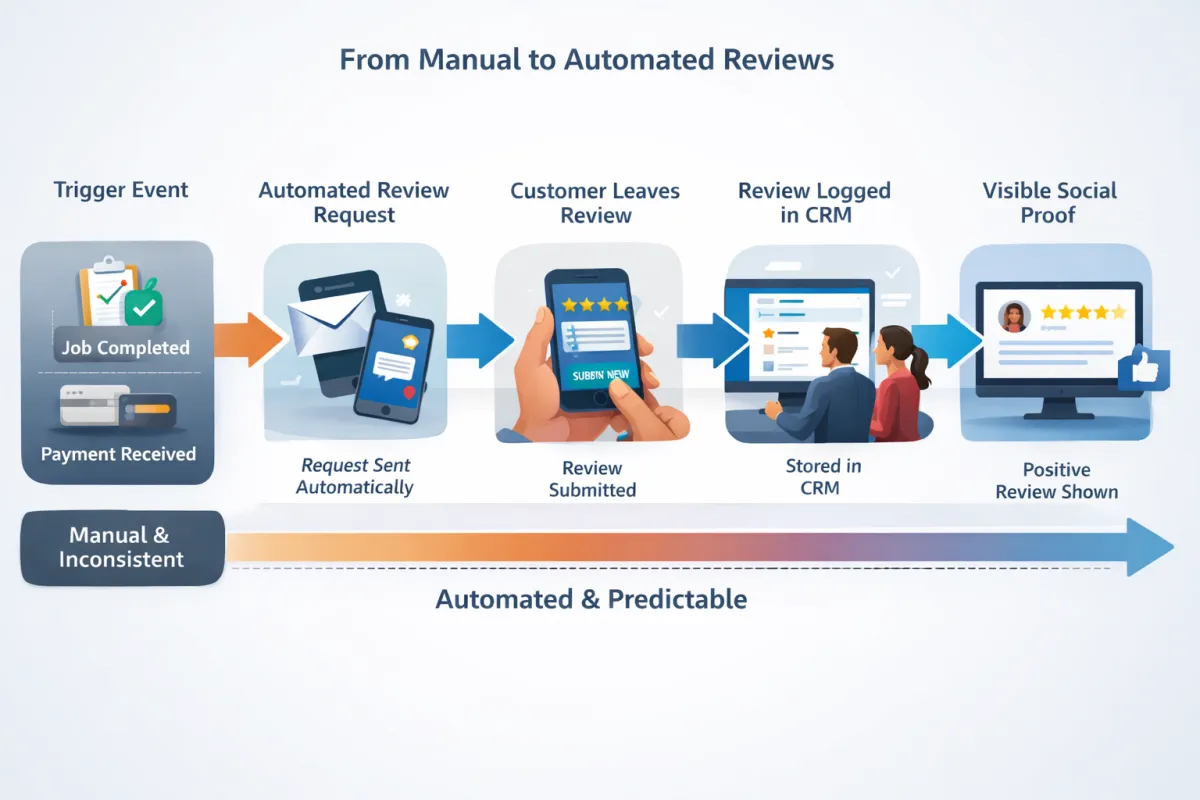
Reputation Management inside Kyrios turns review collection into a structured part of your business process. Instead of manually requesting reviews, the system can trigger requests automatically when specific events occur.
For example:
An appointment is completed
A project stage is marked finished
A payment is collected
A workflow milestone is reached
When those moments happen, Kyrios can send a review request through SMS, email, or automated messaging. Each request is logged directly on the customer record. That means review activity becomes visible alongside conversations, deals, and service history.
How Businesses Use Kyrios Reputation Management
Businesses use Reputation Management in different ways depending on how they serve customers.
A Local Service Company automatically sends review requests after each completed job
A Medical Practice collects feedback from patients following appointments
A Hospitality Brand requests reviews after a guest checks out
An E-commerce Business asks for product feedback after delivery
In each case, the system ensures the request happens while the experience is still fresh. The business no longer relies on someone remembering to ask.
How It Works In Kyrios
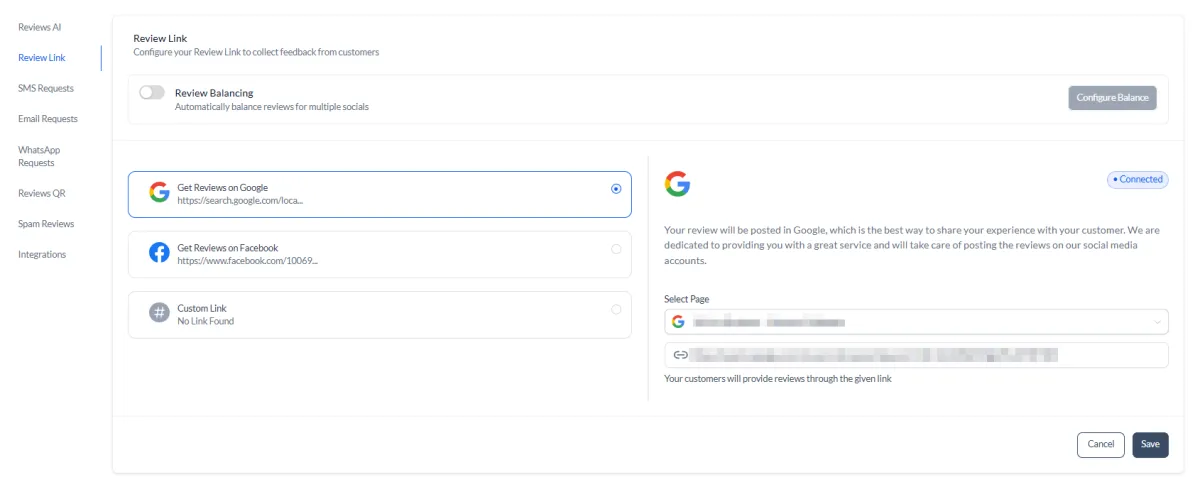
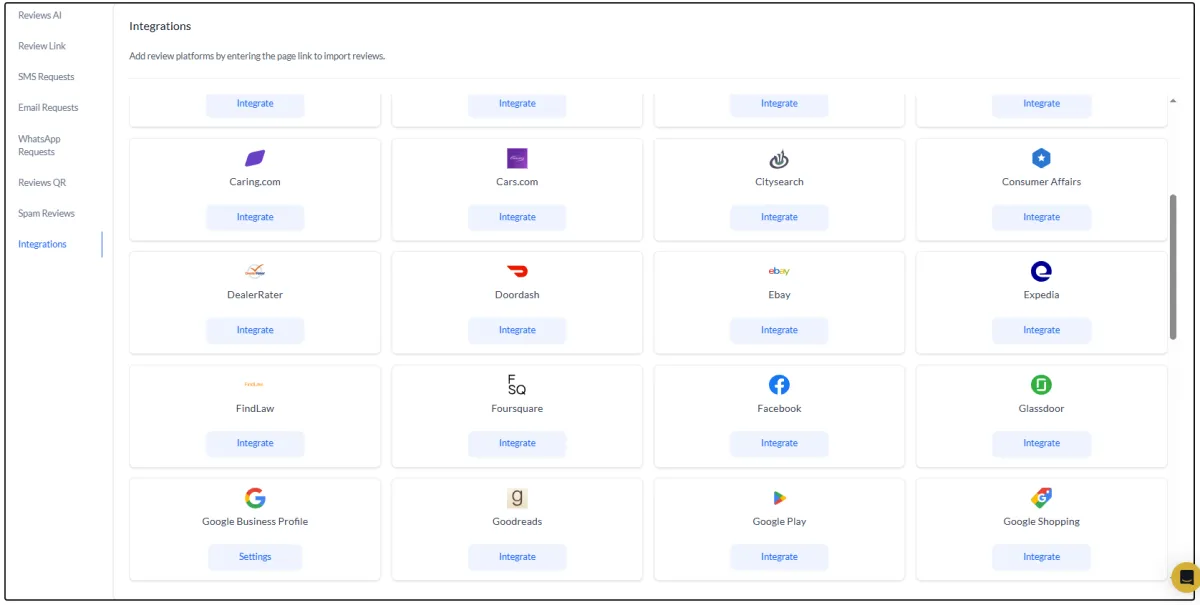
The Reputation Management process follows a simple structure. First, review profiles are connected inside the platform. These may include Google, Facebook, Yelp, and dozens of other review platforms. Next, review request templates are created for email or SMS. These templates can include direct review links and personalized messaging. Then review requests are connected to workflows.
For example:
Appointment completed → send review request
Invoice paid → send review request
Pipeline stage reached → send review request
Once requests are sent, Kyrios tracks delivery and logs the activity on the contact record. Teams can respond to incoming reviews from within the platform, using AI-assisted suggestions or manual replies.
How Reputation Connects to the Rest of Kyrios
Reputation Management becomes far more powerful when it connects to the rest of the Kyrios system.
Review requests can trigger automatically from workflows
Responses appear alongside customer conversations inside the platform
Positive reviews can be shared through the Social Planner
Review widgets can display customer feedback directly on your website or funnels
Sentiment analysis helps identify trends in customer satisfaction
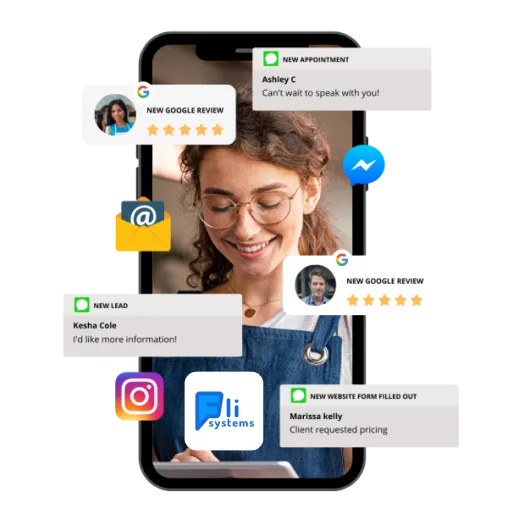
Instead of reviews living on external platforms alone, the feedback becomes part of the operational data inside your business.
What Changes When Reviews Become a Process
When review collection is built into your system, the pattern shifts:
You stop relying on memory
Customers receive review requests consistently
Your team can see which customers were asked and who responded
Positive feedback becomes visible social proof
Negative feedback can be addressed quickly before it escalates
Over time, the business develops a steady stream of authentic reviews. Not because you chased them. Because the system asked at the right moment.
Reputation That Strengthens the Business
Online reviews influence how customers choose who to trust. But reputation doesn’t grow by accident. It grows when feedback becomes part of your process.
Kyrios connects review requests, responses, and reputation insights directly to the system that runs your business.
Customer experiences become visible. Feedback becomes measurable. And the trust you earn from great service starts working for you every day.
(205) 736-8422
1236 Blue Ridge Blvd,
Hoover, AL 35226




Copyright Kyrios Systems 2026 - All Rights Reserved | Privacy Policy | Terms and Conditions

1236 Blue Ridge Blvd, Hoover, AL 35226
Download the Kyrios app now
(205) 736-8422
1236 Blue Ridge Blvd,
Hoover, AL 35226

Company


