
Your business shouldn’t depend on you for everything
If growth has made everything harder instead of easier, how you do things is the issue
You shouldn’t be the one double-checking everything, chasing follow-ups, and pushing work forward just to keep it moving. That’s not leadership.
That’s carrying the burden of systems that don’t exist.
Why growth starts feeling harder

At first, growth feels exciting. Then something shifts.
You start answering the same customer questions over and over.
You constantly approve small decisions that you shouldn't need to.
You check whether tasks were completed.
You push deals forward because no one else does.
You jump between inboxes to see what came in.
You ask, “Did anyone follow up with them?”
Nothing is “technically” broken. But everything depends on you. The business runs. But it runs because you’re the one holding it together. This is what happens when growth outpaces structure.
It is not effort.
It is not motivation.
It is not your team.
It is how the work moves through your business. When there is no clear structure carrying the work, it lives in your head or in processes that may or may not be followed. And that weight builds...
What it looks like when things run smoothly
Imagine something different:
A customer replies. The right person is notified automatically.
A task is completed. The next step is already defined.
A deal advances. Follow-up adjusts without you stepping in.
A new inquiry comes in. Confirmation and next steps are handled immediately.
You are not chasing updates. You are not asking what happened. You are not checking every tab. You can see what is happening without digging.
Your team knows what the next step is.
Customers feel taken care of without reminders from you.
Conversations are in one place.
Progress is visible.

You are still leading. You just don't have to deal with every little thing and constantly put out fires. The business feels steady because it is structured for growth.
The structure that makes that shift
Growing businesses don’t struggle because people aren’t working hard. They struggle because how they do things still depends too much on the owner or the leadership team.
When work relies on people remembering things, follow-up relies on checking and verifying, and decisions rely on you being constantly available, growth becomes pressure.
Kyrios helps organize your business into clear operational zones so nothing is stuck in your head or falls through the cracks.
Customer Follow-Up
If you're still checking whether leads were called back or customers were updated.
Visibility & Control
If you don't fully trust what you are seeing in reports or dashboards.
Workflow & Automation
If tasks stall unless you personally push them forward.
Growth & Presence
If marketing, messaging, and customer experience feel disconnected.
Team & Handoff
If your team waits for direction instead of knowing the next step.
Reputation & Trust
If reviews, feedback, or communication feel inconsistent.
Sales & Revenue
If sales are unpredictable and forecasting feels like guessing.
How it all connects
None of the areas above stand alone. When one changes, others do too.
When a deal changes stage, follow-up updates can happen automatically.
When a task is completed, you can see it instantly.
When a customer replies, the conversation is logged and routed to the right person.
When feedback comes in, reporting updates.
When a payment is made, records reflect it across the system.
You are not stitching tools together. You are not copying data from one place to another. Everything shares context and connection.
This connection is what removes the tracking, checking, and constant follow-up that slows you down. You can see what's happening across the business without asking five people or opening six apps.

When you can see clearly, you can lead confidently.
Ready to Learn More?
Choose your next step
What happens when you start with Kyrios

You begin to create clarity.
Here is what the first phase looks like:
You define key processes.
Core workflows are set in place.
Everyone starts to get on the same page.
Follow-ups start happening automatically
Conversations become easier to manage.
Tasks and projects start to move with structure.
You are not rebuilding your company overnight. You are replacing problem areas with simplified processes. Within the first 30 days, you start seeing where work used to fall through the cracks. And then you see it handled.
The difference you feel
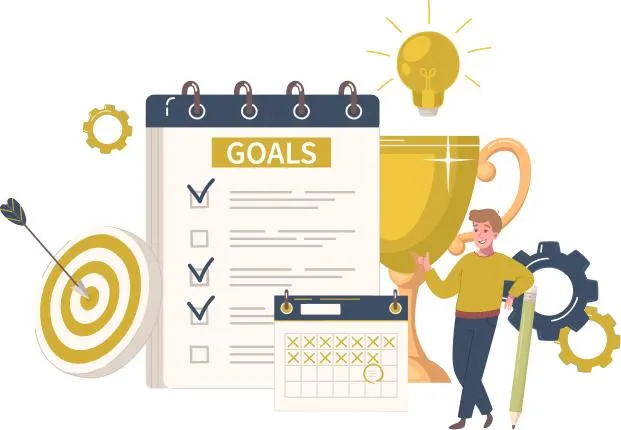
Kyrios doesn't add more work. It removes manual tracking, chasing, switching, and remembering that keeps you buried.
The work still exists. It just stops living in your head or on sticky notes.
You stop being the system. You become the leader again. Your role shifts from chasing to deciding.
(205) 736-8422
1236 Blue Ridge Blvd, Hoover, AL 35226



Copyright Kyrios Systems 2026 - All Rights Reserved | Privacy Policy | Terms and Conditions